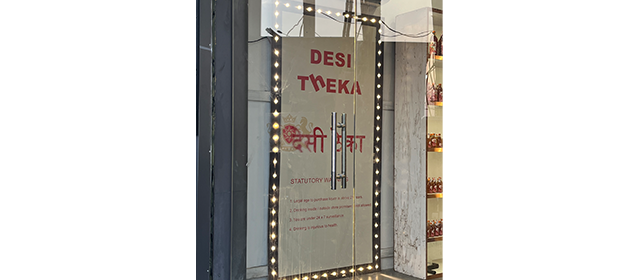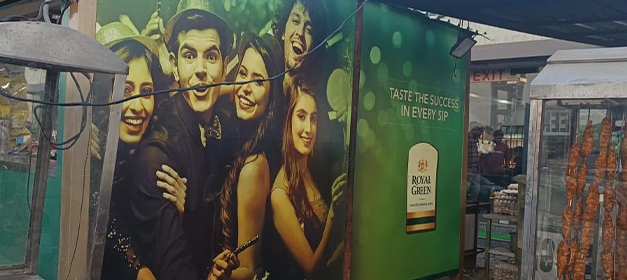
When a wall looks empty, the whole space feels incomplete. Paint alone sometimes cannot give that personality or brand feel. That is where vinyl wall art comes into play.
Today many offices restaurants retail stores clinics and even homes in India are using vinyl wall graphics to create strong visual impact without heavy civil work.
Let us understand in simple words how it works and what options are available.
1. Simple Printed Vinyl – Direct Wall Application
This is the most common and cost-effective way.
Process:- Graphic is printed on vinyl sheet.
- Wall surface is properly cleaned and prepared.
- Printed vinyl is pasted on the wall at the site.
- Office branding walls
- Reception background
- Restaurant wall themes
- Retail store promotional walls
It is clean, quick and gives instant transformation.
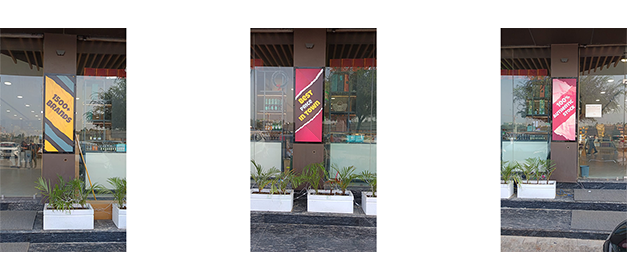
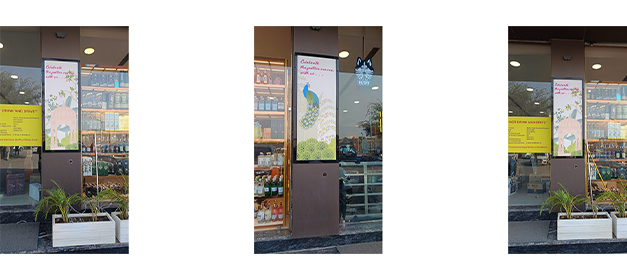
️2. Cutout Style Vinyl – Natural Art Impact
In this method, printing is done first Then:- Text or graphic outline is marked.
- A cut impression is created through a router or cutting plotter.
- Vinyl is pasted on the prepared wall.
- Extra white portion is carefully peeled out.
This gives a natural, painted-look effect. It looks like the design is directly made on the wall.
But one important thing:
If surface preparation is not proper or maintenance is careless edges can peel off over time.
So proper installation and handling are very important.
Why UV Printing is Preferred Now
Earlier solvent printing was common but nowadays most clients prefer UV printing because
- Better print clarity
- Sharp color output
- Faster production
- No ink spreading
- Clean finishing
UV prints are more consistent and professional looking especially for corporate and retail projects.
Print Width & Roll Size – Technical Understanding
Vinyl printing depends on printer capacity.
Common available widths:- 1200 mm
- 2400 mm
- 30 meter
- 50 meters (depending on manufacturer)
For large walls panels are joined carefully so that joint lines are minimal and neat.
Planning the artwork as per machine width reduces wastage and improves finishing.
Importance of Lamination
After printing, lamination is highly recommended.
Why?- Increases print life
- Protects from scratches
- Protects from cleaning damage
- Enhances color depth
Two main types:
- Matt lamination— Soft elegant look (good for corporate & luxury spaces)
- Gloss lamination– Bright & vibrant look (good for retail & promotional graphics)
Skipping lamination may reduce durability especially in high-touch areas.
Where Vinyl Wall Art is Commonly Used in India
- Retail stores
- Liquor shops (branding walls & bottle display background)
- Corporate offices
- Gyms
- Cafes & restaurants
- Clinics
- Schools & coaching institutes
- Exhibition stalls
It is cost-effective compared to ACP cladding or heavy wall decor.
Maintenance Tips
- Always apply on a smooth, dust-free wall.
- Avoid direct water exposure unless special material is used.
- Do not scratch the surface with a hard object.
- Clean gently with a dry or slightly damp cloth.
If a wall has a seepage or moisture issue, vinyl may peel early.
Why It Looks Simple But Needs Experience
Vinyl wall art looks very simple when finished.
But in reality:- Surface checking
- Print planning
- Joint alignment
- Bubble removal
- Edge finishing
All require a trained team and proper tools.
A small mistake during installation can spoil the full wall appearance.